the urban fact
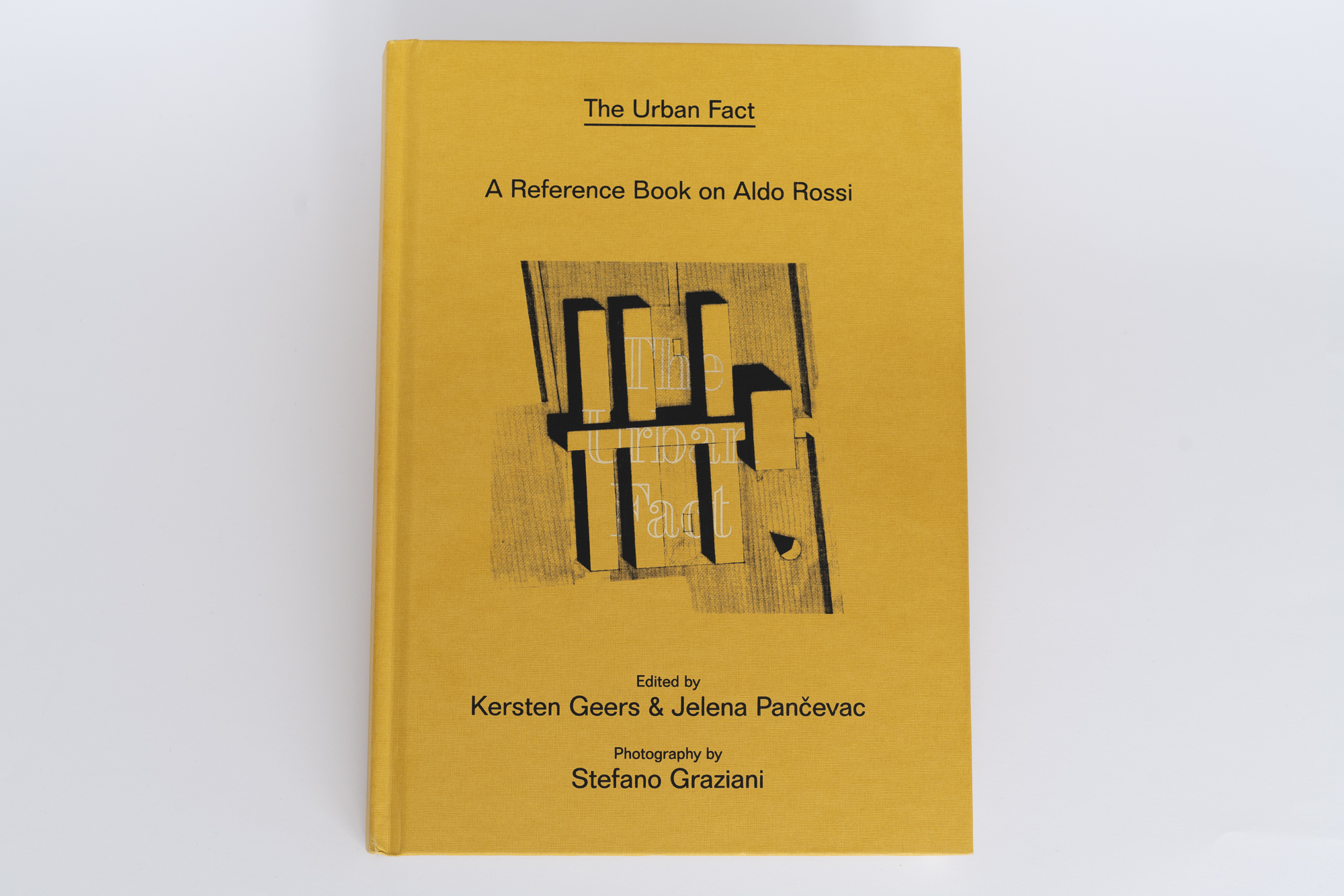


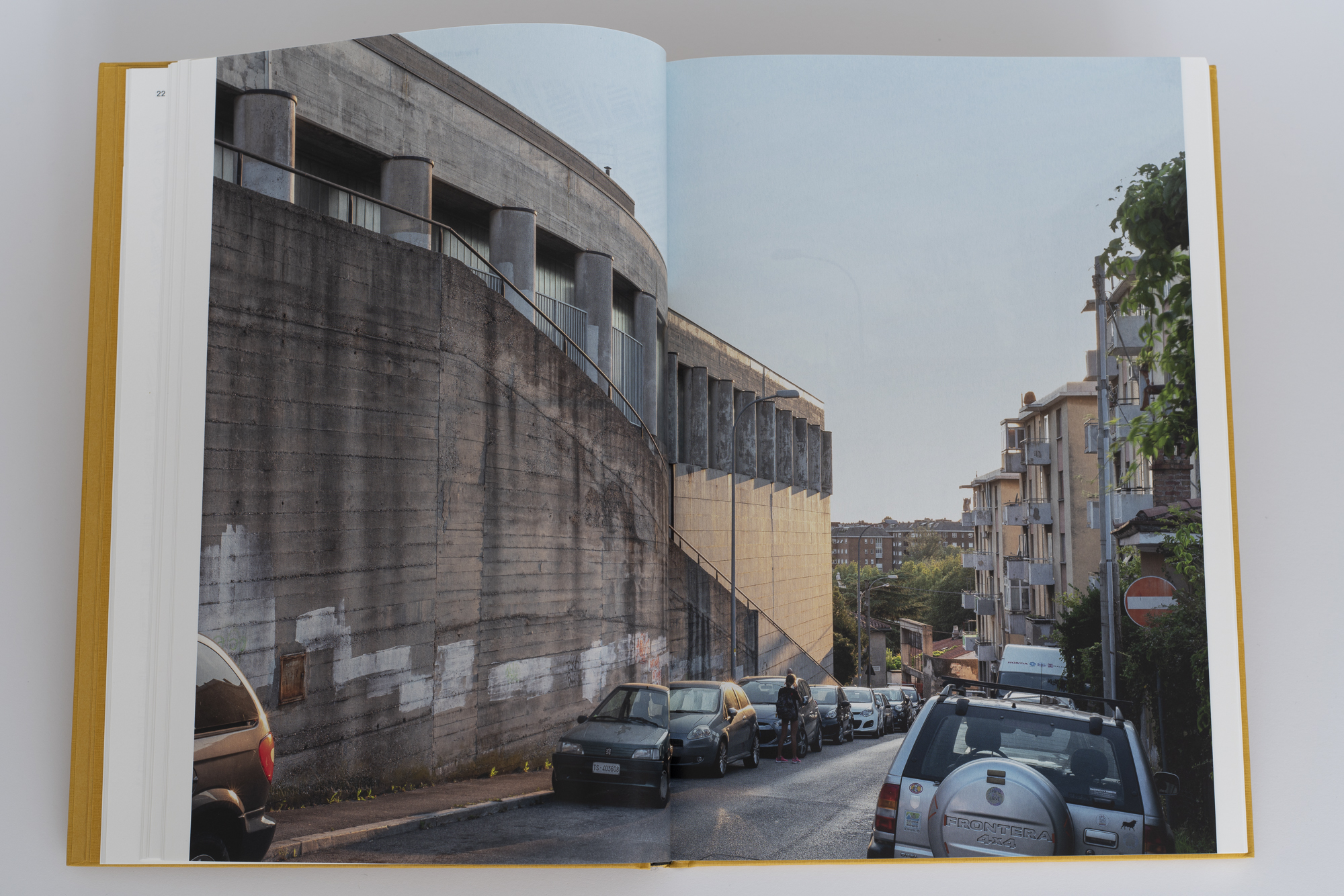
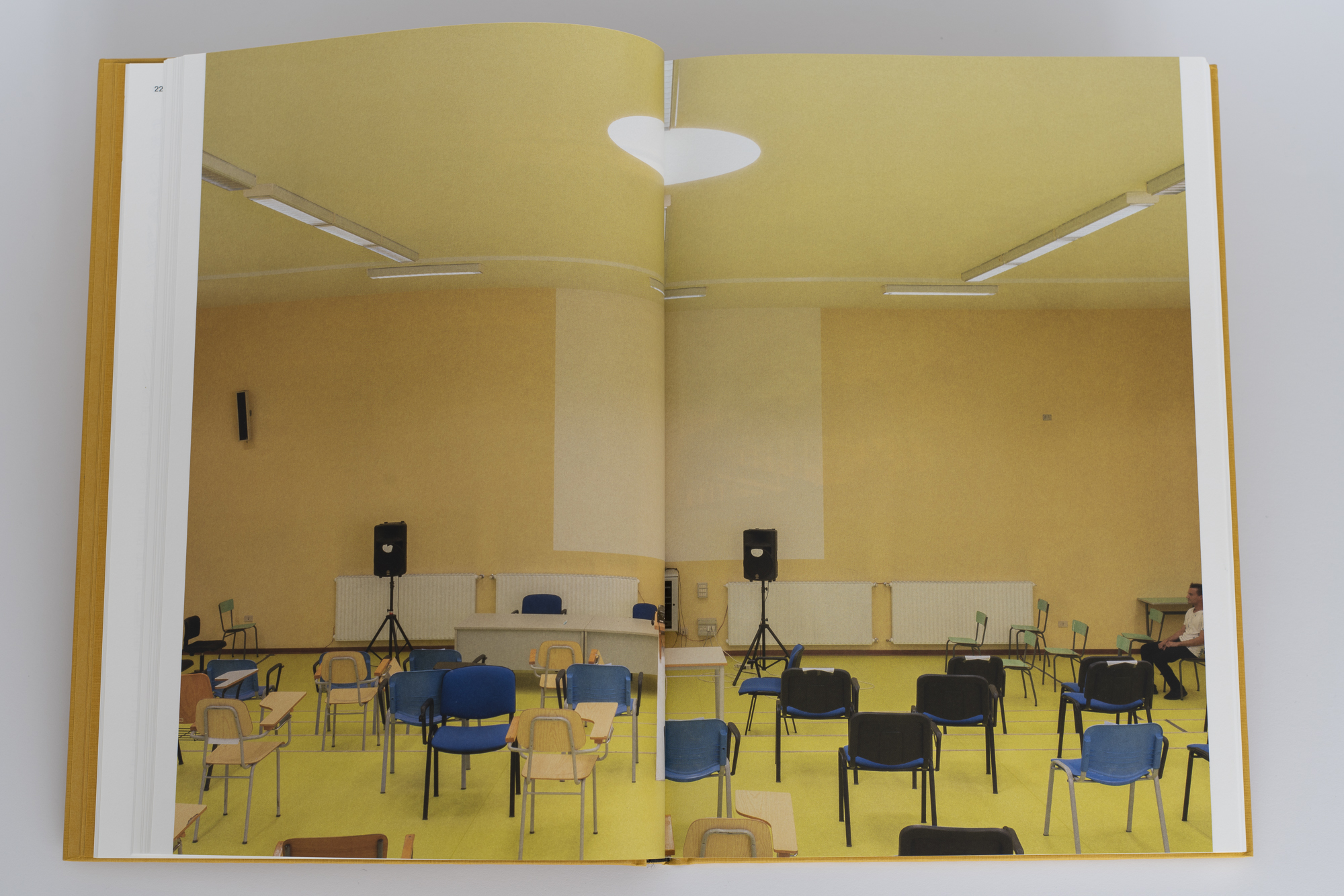
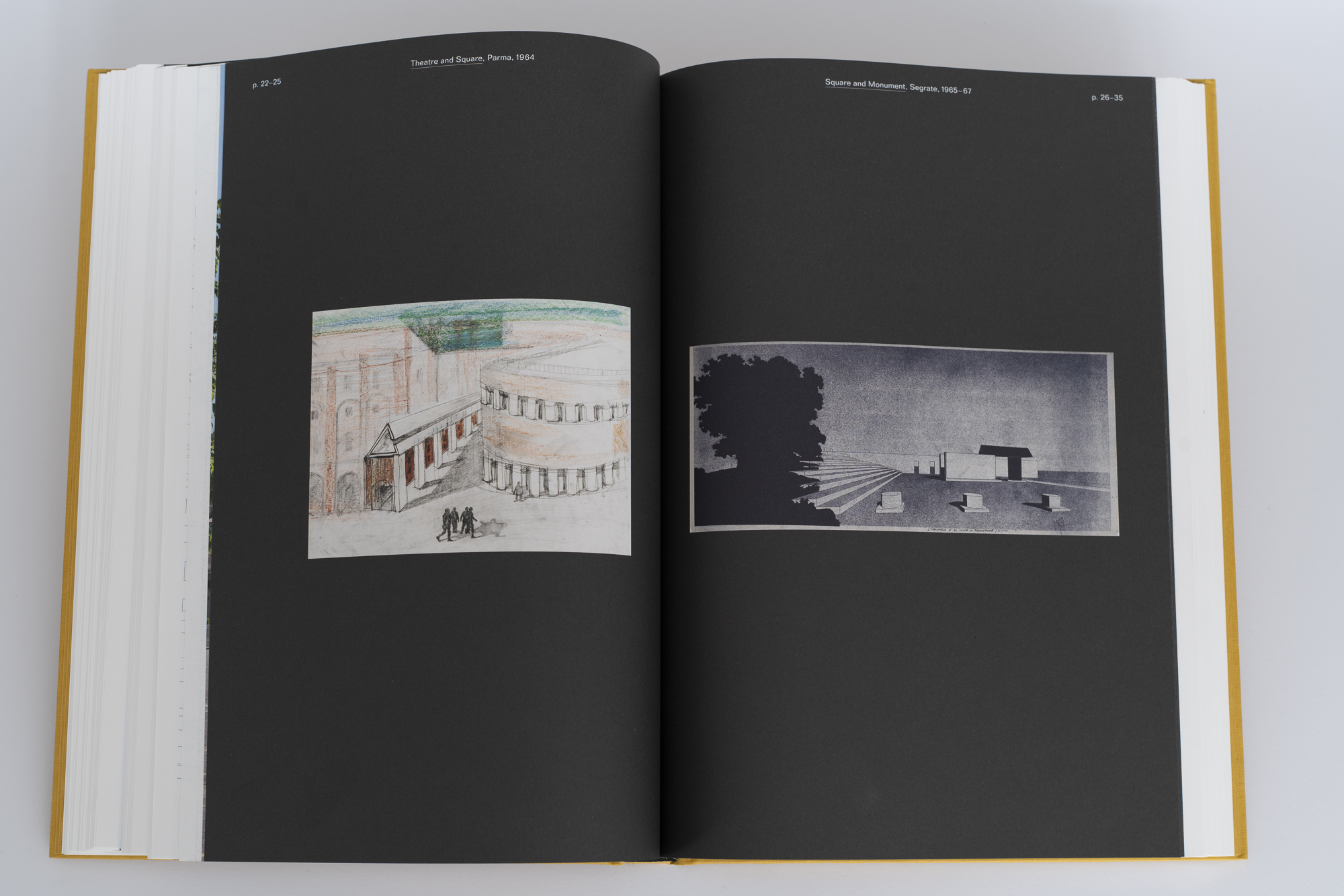
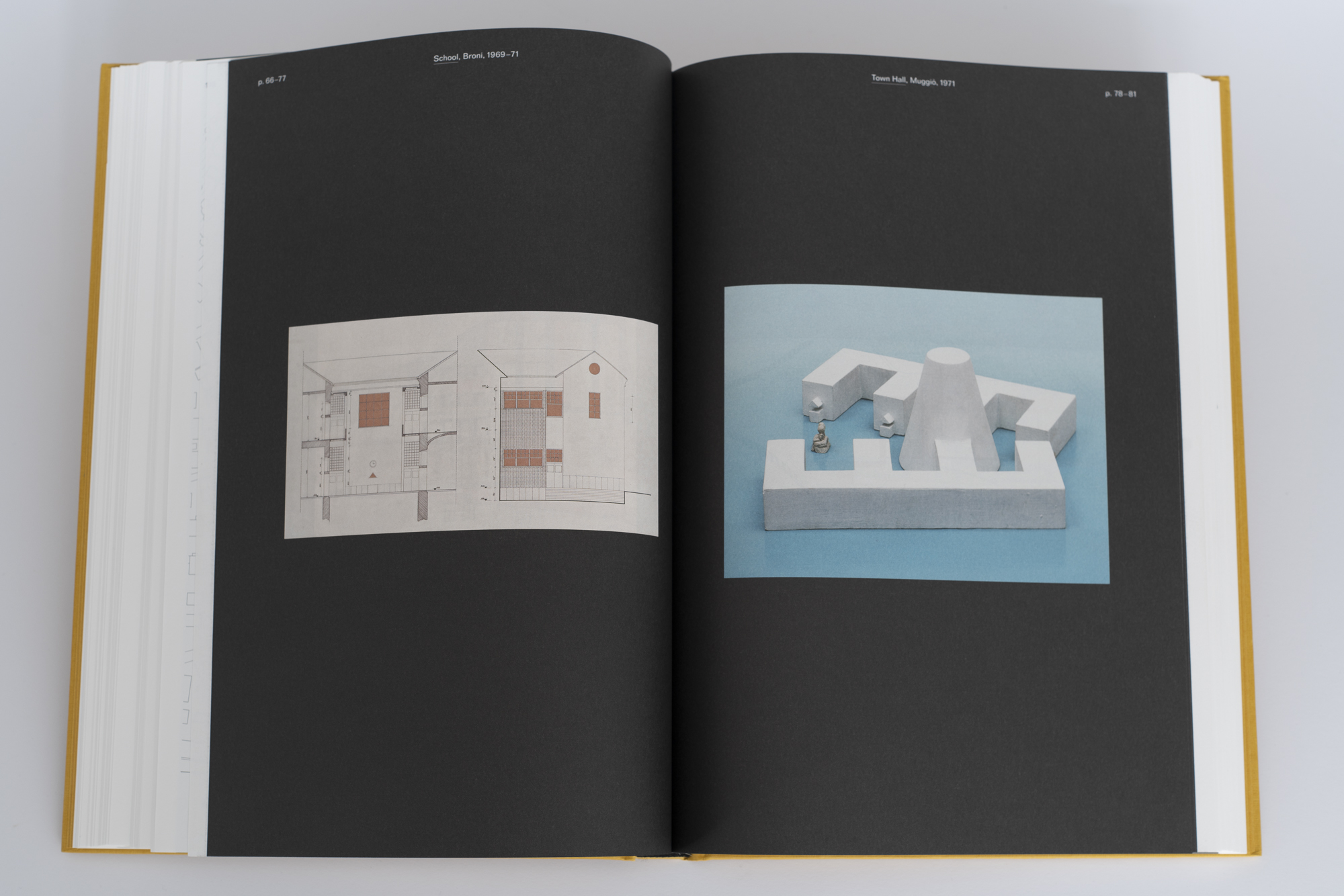


https://www.buchhandlung-walther-koenig.de/koenig2/index.php?mode=details&showcase=1&art=1622307
Aldo Rossi published L’Architettura della città in 1966. From the start, the book’s ambition was clear: to develop a comprehensive theory about making architecture. Over the years Rossi’s theory would culminate, in its own elliptical and fragmented way, in the idea of the ‘analogous city’. Rossi first mentioned this idea in the preface to the second Italian edition, from 1969, introducing the analogous city as a hypothesis,“a compositional procedure that is based on certain fundamental facts in the urban reality around which other facts are constituted within the framework of an analogous system.”1 To develop this hypothesis, Rossi adopted the particular entity that forms the core of his argument in his book on the city and a leitmotif of his design theory at large: the urban fact.